In a small business the owner is the sales desk, the support line, the marketer, HR and the planner. Orders, questions, hours, bills and plans sit in separate apps and inboxes, and every gap between them lands on the owner's evening.
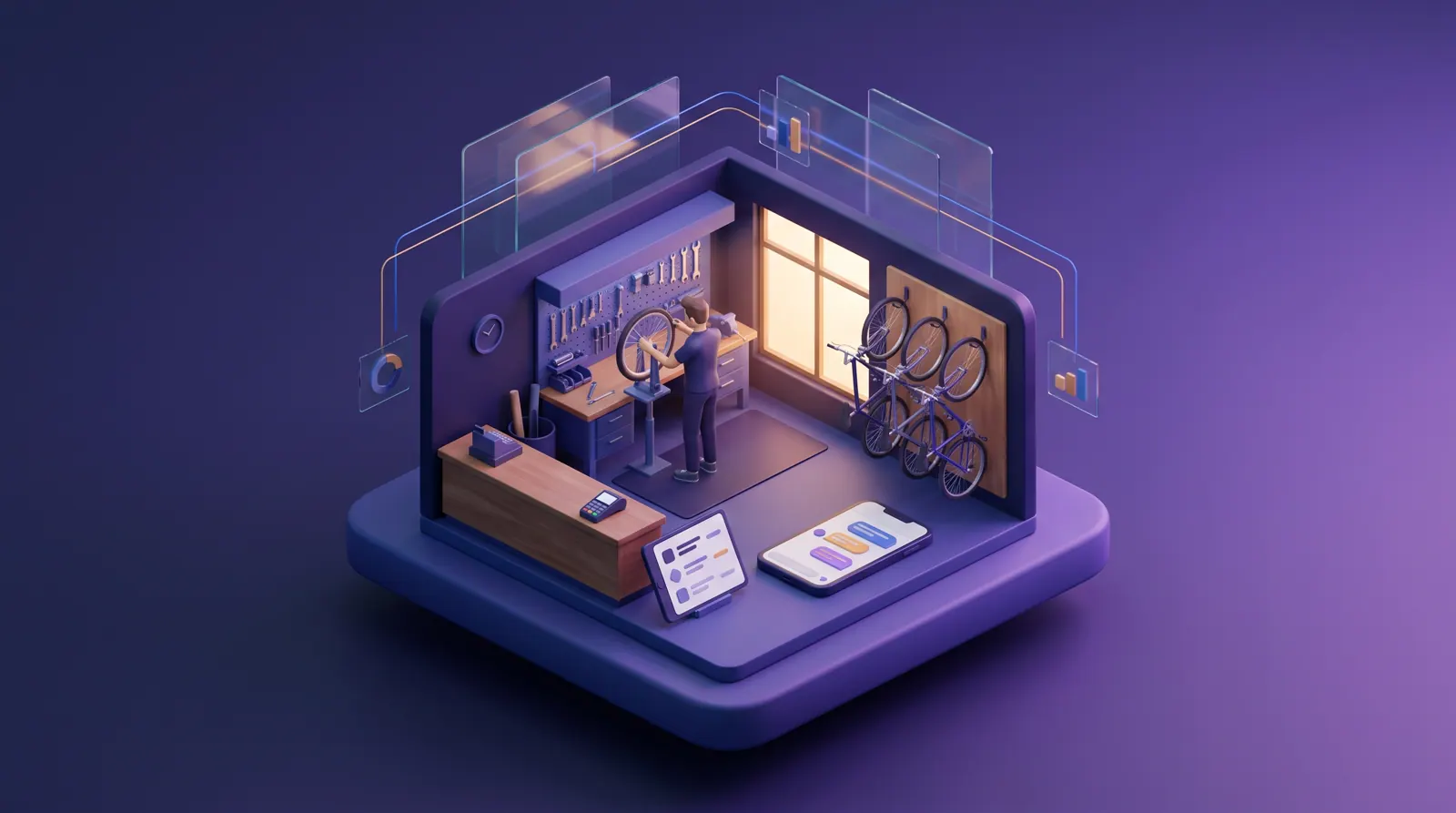
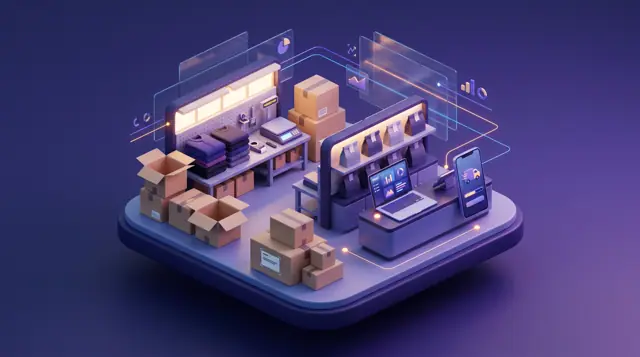
An owner-led business now sells in more places than it used to: a web store, a counter, a chat app that customers treat as a shop window, and an appointment book for services. Each channel is easy to start and each keeps its own list, so stock, orders and payments only come together in the owner's head or at the end of the day. Early-stage startups meet the same problem from the other side: a handful of people, a growing pile of tools, and every new tool another login and another monthly charge.
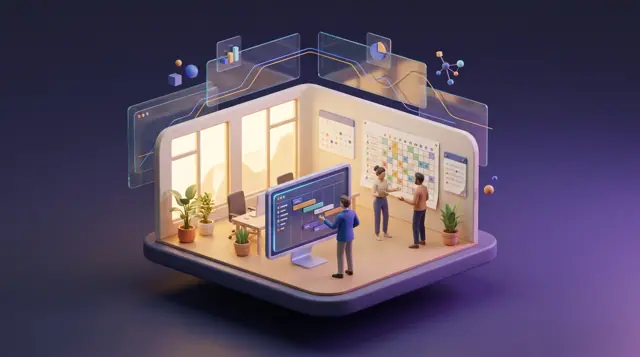
People work is where small teams feel it most. The first hires are decided between other jobs, onboarding is whatever the owner remembers on the morning, and payroll runs start from hours written on paper or sent in a message. Marketing gets whatever hour is left in the week. Customer questions arrive at all hours, and the answers live with whoever happens to be at the counter.
Money runs through all of it. The bank balance says what is there today, not what is due in six weeks, and recurring costs quietly multiply across cards. In a seasonal business, stock, payroll and tax payments can meet in the same two weeks. What helps most is not one more app but the hand-offs: sales that reach the cash view, hours that reach payroll, customer questions that reach marketing, and a quarterly plan that knows about both the team and the bank.