





Healthy Bowl
Satellite Crop Health Monitoring
Vegetation-index maps flag stressed zones on each member plot after every pass, so scouting starts with the plots that need it most.
Industry solution
From member farm to buyer's dock, on connected records
Crop and herd health, cold chain, produce logistics, traceability and member payouts, designed to run as one connected operation.

The problem
Cooperatives run crop advice, milk collection, cold rooms, trucks, certification and member payments on registers, spreadsheets and phone calls, so problems surface late and proof is hard to find when a buyer or lender asks.
A cooperative or producer company sits between hundreds or thousands of small farms and a handful of demanding buyers. Its staff advise growers, collect and grade produce at village collection centers, run a packhouse and cold rooms, book trucks, keep group certification alive and pay members. Most of that runs on registers, spreadsheets, group chats and phone calls, and each of those holds one slice of the truth.
The pressures stack up through the season. Weather and pests move faster than a field officer can walk the plots. Produce and milk are perishable, so a cold room that fails overnight or a truck that waits at a buyer's gate becomes a rejection. Buyers and regulators want proof at lot level: which plot, which input, which treatment, what footprint. Margins are thin, members expect to be paid fairly and on time, and lenders and insurers want evidence before money moves.
What is missing is a connected record: one that captures the work once, at the farm, the collection center and the dock, and lets agronomy, quality, logistics, maintenance and finance act on it without re-keying, while lenders, buyers and agencies see only what the co-op chooses to share. That is the gap this solution is designed to close.
Cooperative and producer company leaders
Member trust, fair and timely payouts, buyer contracts kept, and one view of the season without chasing registers and group chats.
Agronomists and field extension officers
Seeing stressed plots early, visiting the right farms first, and giving growers consistent advice that stays within the approved-input list.
Quality, certification and traceability managers
Internal inspections, residue risk, plot-level proof for buyers and auditors, and a trace from lot back to member plot that holds up.
Packhouse, cold chain and logistics leads
Cold rooms and reefers in range, trucks on time at the dock, proof of delivery, and evidence when a buyer rejects part of a load.
Dairy procurement and chilling center managers
Milk free of antibiotic residue, disciplined collection centers, and a fast traceback when a tanker compartment fails its test.
Agri lenders, insurers and agriculture departments
Verified production history, damage evidence captured while fresh, consented access to farm data, and casework that moves on time.
A day in the life
Kavitha Raman runs Silverbend Growers Cooperative: about 2,000 member farms growing tomatoes, chili and pomegranates on the plains and coffee on upland plots, a dairy wing supplying nine village milk collection centers, one packhouse with four cold rooms, and a pool of hired reefer trucks, each load carrying one of the co-op's own temperature loggers. This is one week in October, and every part of the co-op gets tested.
Monday, 7:10 a.m.
The weekly satellite pass shows stress on sixty chili plots across two villages. By nine, field officer Daniel Osei has forty messages from growers asking what to spray, and two of them name a product the co-op's organic group is not allowed to use. Daniel can reach perhaps twelve plots today. Kavitha knows that a wrong spray will not show up until the residue test on the export lot, weeks from now.
How this is solved: Catching crop stress and outbreaks across hundreds of member plotsTuesday, 6:52 a.m.
The platform test at the chilling center flags antibiotic residue in compartment two of the Route 3 tanker, and the load is set aside. Dairy supervisor Samuel Mutua starts calling the three collection centers the tanker visited, working through paper registers to find which of about 180 suppliers had a treated animal and poured its milk anyway.
How this is solved: Keeping treated animals' milk out of the bulk tankTuesday, 11:48 p.m.
The compressor on Cold Room 3, holding fourteen metric tons of pomegranates for Thursday's dispatch, starts short-cycling and then trips. The night guard does not check the dial by the door. When technician Ravi Das opens the room at six, it is well above set point, nobody can say for how long, and quality has to guess which lots to pull.
How this is solved: Keeping packhouse cold rooms running through the nightThursday, 7:30 p.m.
A load of tomatoes graded A at the packhouse reaches a retail distribution center after five hours waiting for a dock slot. Quality control rejects 180 crates as soft and the buyer notifies a deduction. Logistics lead Lucia Fernandes has the loading photos on one phone, the delivery slip in the truck cab, and the co-op's temperature logger riding back with the driver, not yet downloaded.
How this is solved: Getting perishable loads accepted, and proving it when they are notFriday, 10:00 a.m.
The co-op's European coffee buyer asks for plot geolocation and deforestation-free due diligence for next month's container, plus a footprint per metric ton of green coffee for its own supplier emissions reporting. Quality and certification manager Grace Achieng has the internal control system files, a folder of hand-drawn plot sketches and no emissions figures at all. The container is booked for the 28th.
How this is solved: Answering a buyer's plot-level proof and footprint requestFriday, 4:15 p.m.
A twenty-minute hailstorm tears through three villages. By evening Kavitha has photos of shredded tomato and chili plots from dozens of members, an insurance notification window that is already running, a state relief program that wants an application and a field visit per plot, and a board meeting on Monday that will ask how many members are hurt and how much in input advances the co-op now carries.
How this is solved: After a hailstorm: claims, relief and member cashNone of these incidents is unusual for a cooperative. What changes in this illustrative week is how far each one travels before someone can act: connected records that hold the scouting note, the treatment, the lot and the delivery proof are designed to carry each problem to the team that owns it, and back to the member whose farm it came from.
Challenges and how they are solved
Each challenge shows the problem as it happens, how the products are designed to hand work to each other, and the concepts that illustrate it. Share any challenge on its own.
Answers are in plain business terms. Choose Technical, or open any technical detail, to see how it works under the hood.
Challenge 1 of 6
A cooperative's agronomy team is a few field officers for hundreds or thousands of plots. Stress shows up on a satellite pass or in a grower's photo, but scouting happens plot by plot on a motorbike, and the questions arrive all at once on personal phones: what is this, what can I spray, how close to harvest can I spray it. Advice given in a hurry, from memory, is inconsistent, and a grower in an organic group who reaches for the wrong product can put a whole lot's certification and residue results at risk.
Outbreaks spread between visits, field officers spend the day answering the same question, and one off-list spray can surface weeks later as a failed residue test or a lost organic premium.
After each satellite image, Healthy Bowl is designed to rank member plots by crop health, so field officers visit the worst first. When pest reports point to an outbreak, FluidGrids passes the alert to the lead agronomist and Botlit. Botlit answers growers on WhatsApp and similar apps from the co-op's own crop guide and approved-input list, shows the passage it used, and passes anything it cannot answer to an agronomist.
Technical detail
Healthy Bowl is designed to rank every monitored member plot by vegetation-index health after each satellite pass and turn stressed patches into scouting tasks, so field officers visit the worst plots first; confirmed pest issues are logged against the plot, and clusters raise an outbreak alert. FluidGrids can route that alert, with the affected villages and crop, to the lead agronomist and to a Botlit advisory agent. The agent is designed to send growers in those villages a short advisory drawn from the co-op's guide, and to answer their questions on channels such as WhatsApp using only the crop-protection guide and approved-input list, citing the passage it used. When a question has no match, Botlit can trigger a workflow that raises an agronomist task against that plot in Healthy Bowl.
Field officers can spend their visits on the plots that need them, growers get consistent answers backed by the co-op's own guide, and off-list sprays are questioned before they happen.
Healthy Bowl
Vegetation-index maps flag stressed zones on each member plot after every pass, so scouting starts with the plots that need it most.
Botlit
The advisory agent is designed to answer from the co-op's own crop guide and approved-input list, cite the passage it used, and say so when nothing matches.
Challenge 2 of 6
A member's cow is treated for mastitis, and the withdrawal period lives on the vet's slip, if it is written down at all. Days later her milk goes into a shared can, the can into a village bulk cooler, and the cooler into a tanker that collects from several centers. Collection clerks have no way to know which suppliers have an animal under treatment, so nothing is tested before it is poured. When the platform test at the chilling center finds residue, the whole compartment is lost, and tracing it back means reconstructing the tanker's stops and each center's intake from separate records.
One untested can can cost a full compartment, strains the relationship with the processor, and leaves honest suppliers sharing a loss caused by a neighbor nobody can identify.
Healthy Bowl is designed to flag each treated animal's milk until the withdrawal period ends. Before each shift, FluidGrids puts a list of suppliers with an animal under withdrawal on each collection clerk's phone, so those cans are tested before pouring. If a tanker compartment still fails, its route and stops from MoveTheWheels narrow the search to the centers it visited and suppliers with a flagged animal or untested can.
Technical detail
Healthy Bowl is designed to record each treatment against the animal and block its milk until the withdrawal clear date. The new collection screening board lifts those blocks to the cooperative: before each shift, every collection center gets a list of supplier farms with an animal under milk withdrawal, and FluidGrids can deliver that list to the clerk's phone. The clerk strip-tests those cans before pouring and logs the result against the farm. If a tanker compartment still fails at the chilling center, the board is designed to read the tanker's route and stop times from MoveTheWheels, so the traceback narrows to the centers it loaded from and the suppliers there with open holds or untested cans.
Cans from herds under withdrawal are tested before they are poured, and a failed compartment points to a short list of suppliers instead of a morning of phone calls.
Healthy Bowl
A co-op-wide board of supplier farms with animals under withdrawal, by collection center and shift, with strip-test results and a tanker traceback panel.
Works with MoveTheWheels, FluidGrids
MoveTheWheels
The tanker's multi-stop collection route, with ordered stops and times, shows which centers fed a flagged compartment.
Challenge 3 of 6
A packhouse cold room holds several days of graded produce waiting for dispatch, and its compressor tends to fail at night or over a weekend, when nobody is watching. Most rooms are checked by reading a gauge or a paper log on each round, so a slow drift or a tripped compressor is found hours later. Without a continuous record nobody can say how long the produce was out of range, and quality has to decide which lots to hold, re-grade or sell locally on guesswork, while the buyer still expects a full load on time.
Produce is lost or downgraded, a committed buyer order is at risk, and maintenance keeps repairing the same compressor after it fails instead of before.
AssetHandler is designed to watch every cold room around the clock, raise a work order for the on-call technician when a compressor shows signs of failing, and record how long any warm-up lasted. FluidGrids then applies the co-op's rules for the crop inside: it puts the affected lots on quality hold in Healthy Bowl, alerts the technician and warns the buyer desk if a promised dispatch is at risk.
Technical detail
AssetHandler is designed to register each cold room, compressor, pre-cooler and the co-op's load loggers as assets with live telemetry, and the new cold room uptime board shows temperature against set point, door-open time and compressor behavior in one view. A pattern that looks like a failing compressor raises a predictive finding and a preventive work order for the on-call technician; an actual excursion raises an event with the room, start time and duration. FluidGrids can pass that event through a versioned decision rule: depending on the crop, the lots stored in the room according to Healthy Bowl, and how long the room has been out of range, it places those lots on quality hold in Healthy Bowl, pages the technician and alerts the buyer desk if a committed dispatch is affected.
Failing equipment is meant to surface as a work order before the room warms, and when the temperature does go out of range, the affected lots are held and the buyer desk warned from the same alert.
AssetHandler
Rooms, compressors and load loggers with live temperature against set point, a predictive finding on a failing compressor, open work orders and the Healthy Bowl lots at stake.
FluidGrids
A versioned rule tree decides what an excursion means for the produce inside, hold, re-grade or release, and is tested against sample cases before it goes live.
Challenge 4 of 6
Graded produce leaves the packhouse in a hired refrigerated truck for a retail distribution center, where the truck can wait hours at the gate before it is unloaded. At the dock, the buyer's quality control rejects part of the load as soft and notifies a deduction. The evidence the co-op needs is split between the packhouse, the driver and the transporter, and the window to dispute is short, so a deduction that nobody can answer quickly becomes final.
Without evidence the co-op absorbs deductions it may not owe, time spent waiting at the gate goes unrecorded, and every member who contributed to the load shares a loss that belonged to a few.
MoveTheWheels is designed to suggest the refrigerated truck and route, and record gate arrival, unloading and delivery photos on the driver's phone. When a buyer rejects part of a load, one claim file gathers the packhouse grade from Healthy Bowl, the load's temperature record from AssetHandler, gate waiting time and delivery proof. The logistics lead accepts, disputes or splits the deduction, and only the supplying members' payouts change.
Technical detail
Healthy Bowl is designed to build each aggregation lot from graded member deliveries, so the lot carries its grade, pulp temperature at loading and the members it came from. MoveTheWheels is designed to take that lot as a shipment: a dispatch proposal picks the reefer and route against the buyer's delivery window, and the driver app is designed to capture gate-in, unloading and proof of delivery with photos. When the buyer records a partial rejection, the new arrival rejections desk in MoveTheWheels assembles the claim file: the dispatch grade from Healthy Bowl, the temperature trace from the co-op's load logger that AssetHandler monitors, dwell at the gate and the delivery proof. The logistics lead accepts, disputes or splits the deduction, and the agreed figure is designed to pass back to Healthy Bowl so only the contributing members' settlement lines change.
A dispute rests on one evidence file instead of scattered phones and printouts, and any agreed deduction lands only on the members whose produce it concerns.
MoveTheWheels
One claim file per rejected load: dispatch grade, load logger temperature trace, gate and dock times and delivery photos, with accept, dispute or split decisions.
Works with Healthy Bowl, AssetHandler
Healthy Bowl
The member register and pooled volumes each aggregation lot is built from, so a rejection can be traced to the members who supplied it.
Challenge 5 of 6
An export buyer asks for plot geolocation and deforestation-free due diligence for every farm behind next month's coffee container, and an emissions figure per metric ton for its own supplier reporting. The co-op's internal control system has member files and inspection sheets, but plot boundaries are sketches, the link between a container lot and the plots that filled it lives in weighbridge slips, and nobody has ever totaled fertilizer, diesel and pumping power by commodity.
Slow or partial answers put premium contracts at risk, and figures assembled in a rush are hard to defend when the buyer's auditor asks where each number came from.
Healthy Bowl is designed to map each member plot, check it against the deforestation cut-off date, prepare the due-diligence statement and trace the container back to the plots that filled it. EcoImpactHub turns members' fertilizer, fuel and power records into a carbon footprint per metric ton, marking which figures are estimates. The buyer's reviewer gets a pack showing where every number came from, shared for a set period.
Technical detail
Healthy Bowl is designed to hold each member plot with its boundary, check it against the deforestation cut-off date and assemble a due-diligence statement, while its append-only trace ledger records each lot from harvest through drying and packing to dispatch, so the container can be linked back to its member lots and plots. Each farm's fuel, energy and input records in Healthy Bowl are designed to give a farm emissions figure. EcoImpactHub adds what the buyer's reviewer needs on top: a sourced emission-factor library, a supplier view that rolls member records up by commodity and season with each line marked primary or estimated, and a buyer pack that cites every factor and can be shared with the buyer's reviewer for a set period.
The buyer's questions are answered from records the co-op already keeps, with every plot, lot and factor traceable to its source; acceptance decisions stay with the buyer and its auditors.
Healthy Bowl
Each production plot mapped and checked against the deforestation cut-off date, with a due-diligence statement ready to export for the buyer.
Healthy Bowl
An append-only chain from harvest through packing to dispatch for each lot, designed to link the container back to its member lots.
Healthy Bowl
Per-farm fuel, energy and input records that give each member's footprint its primary data.
EcoImpactHub
Member-farm records from Healthy Bowl rolled up into a footprint per metric ton by commodity, with sourced factors, primary-versus-estimated flags and a buyer pack.
Works with Healthy Bowl
Challenge 6 of 6
A hailstorm shreds tomato and chili plots across three villages on a Friday afternoon. Insured members have a short window to notify their insurer. The state agriculture department opens a relief program that needs an application and a field verification for each plot. Members who took input advances against contracted volume now cannot deliver, and on Monday the board and the co-op's lender will ask the same questions: how many members are hurt, how much is outstanding, and what happens to the season.
Evidence goes stale in the first days, claims and applications miss their windows, officers verify plot by plot from paper, and members wait months for the cash they need to replant.
Field officers take location-stamped damage photos on each plot in Healthy Bowl, which is designed to reuse that evidence for the member's insurance claim and the state relief application in GovCitizenHub. The agency's decision and payment reference come back to the member's record. FluidGrids brings affected members and outstanding input advances into one BigConsole view by village for the board, and the lender can be shown a co-op summary.
Technical detail
Healthy Bowl is designed to let field officers capture geotagged damage photos against each plot, set them beside the plot's sowing record and a satellite before-and-after, and follow each member's insurance claim. The same evidence is designed to travel as a pack into the agency's relief applications in GovCitizenHub, where officers work a crop-loss casework queue, batch field visits by village, and record decisions and the disbursement reference. FluidGrids is designed to pull affected members, advances outstanding and contracted volume from Healthy Bowl into datasinks that feed a BigConsole season console by village. When GovCitizenHub records a decision, the outcome and disbursement reference are designed to flow back to the member's Healthy Bowl record. The board sees all of it. The lender can be given view access to a co-op-level summary, while a member's own record reaches a lender only through that member's time-limited, revocable window in Healthy Bowl.
Evidence is captured once while it is fresh and reused for the insurer and the agency, members' claims can move, and the board and lender see the co-op's exposure from the same numbers.
Healthy Bowl
Members' fields enrolled against the notified crop and season, so a damage claim starts from a known enrollment and is followed step by step.
GovCitizenHub
The agency's queue of relief applications, each arriving with the Healthy Bowl evidence pack and moving through field visit, decision and a recorded disbursement reference.
Works with Healthy Bowl
BigConsole
A console with global filters, set here to village and crop, that the co-op would drill into for affected members.
How it fits together
Follow a season's produce and the events around it. Each product does one job and hands the next one what it needs; the member record in Healthy Bowl is where the story starts and where each outcome lands.
To MoveTheWheels: A lot ready to ship: weight, grade, members and buyer order.
To AssetHandler: The load's temperature logger, the trip, and the cold room it left.
To FluidGrids: What warmed up, when, for how long, and which lots.
To BigConsole: Up-to-date figures on lots, holds, deliveries, claims and advances.
To Botlit: The season figures, for Botlit to look up and quote.
To Healthy Bowl: Unanswered questions, as tasks for an agronomist on that plot.
To GovCitizenHub: An evidence pack: photos, sowing record, satellite images, claim number.
Step 1 of 8: Record at the source
Technical detail
Products in this solution
Farm and co-op record book
Healthy Bowl is designed to keep the co-op's farm records in one place: plots, herds, treatments, graded lots, traceability and member payouts. Members can give a lender or adviser time-limited access to their own record, and every other product starts from that record.
Technical detail
Is designed to hold member plots, herds, treatments, graded lots, trace records and settlement, with farmer-granted, time-limited windows for lenders and advisers, so every other product starts from the same farm record.
Produce logistics and delivery proof
MoveTheWheels is designed to turn lots that are ready into refrigerated truck trips with routes, tracking and proof of delivery, and to keep the evidence together when a buyer rejects part of a load.
Technical detail
Is designed to turn ready lots into reefer shipments with routes, tracking and proof of delivery, and to hold the evidence when a buyer rejects part of a load.
Cold chain and equipment uptime
AssetHandler is designed to watch cold rooms, compressors and the temperature loggers on each load, spot equipment that is starting to fail and raise a repair work order, so problems are caught before produce is lost.
Technical detail
Is designed to register cold rooms, compressors and load loggers with telemetry, predictive findings and work orders, so failing equipment is caught before produce is lost.
Alerts and automatic handoffs
FluidGrids is designed to pass alerts and updates between these products and the systems the co-op already uses, apply the co-op's own rules when a cold room or truck warms up, and keep BigConsole up to date.
Technical detail
Feeds datasinks into BigConsole and can route alerts between products and existing systems through webhooks and connectors, applying versioned decision rules to excursions and holds.
Season overview for the board
BigConsole is designed to give the board and managers one view of the season, with filters to drill into any village or crop, shared only with the people or groups you choose.
Technical detail
Is designed to build governed consoles over the co-op's data with filters and drill-down, shared with named people or groups to view or edit, so the board and managers read the season from the same numbers.
Field advice assistants
Botlit is designed to run advice assistants that answer growers on WhatsApp and similar channels from the co-op's own crop guides and approved-input lists, show their sources, and pass unanswered questions to an agronomist.
Technical detail
Is designed to run advisory agents grounded in the co-op's own crop guides and approved-input lists, on channels such as WhatsApp, citing sources and routing unanswered questions to an agronomist.
Farm footprints for buyers
EcoImpactHub is designed to turn member-farm records into a carbon footprint per metric ton for each commodity, flag which figures are estimates, and give buyers a pack that shows where every number came from.
Technical detail
Is designed to turn member-farm activity into a sourced carbon ledger and footprints per metric ton by commodity, with data-quality flags and buyer packs that cite every factor.
Relief casework for agriculture departments
GovCitizenHub is designed to give agriculture departments one queue for crop-loss relief and scheme applications, with field visits, a named officer on each decision and the payment reference recorded on every case.
Technical detail
Is designed to give agriculture departments a casework queue for crop-loss relief and scheme applications, with field verification, attributed decisions and the disbursement reference recorded on each case.
Every product here runs on Burdenoff Workspaces: one sign-in for co-op staff, field officers and partners, role-based access so a lender or buyer sees only what was shared, one audit trail from farm to payout, and one bill for the whole solution.
Concept gallery
15 concepts from 8 products. Each one links to its own page on the product's website, and every view has a link you can share.
Healthy Bowl
Vegetation-index maps flag stressed zones on each member plot after every pass, so scouting starts with the plots that need it most.
Botlit
The advisory agent is designed to answer from the co-op's own crop guide and approved-input list, cite the passage it used, and say so when nothing matches.
Healthy Bowl
A co-op-wide board of supplier farms with animals under withdrawal, by collection center and shift, with strip-test results and a tanker traceback panel.
Works with MoveTheWheels, FluidGrids
MoveTheWheels
The tanker's multi-stop collection route, with ordered stops and times, shows which centers fed a flagged compartment.
AssetHandler
Rooms, compressors and load loggers with live temperature against set point, a predictive finding on a failing compressor, open work orders and the Healthy Bowl lots at stake.
FluidGrids
A versioned rule tree decides what an excursion means for the produce inside, hold, re-grade or release, and is tested against sample cases before it goes live.
MoveTheWheels
One claim file per rejected load: dispatch grade, load logger temperature trace, gate and dock times and delivery photos, with accept, dispute or split decisions.
Works with Healthy Bowl, AssetHandler
Healthy Bowl
The member register and pooled volumes each aggregation lot is built from, so a rejection can be traced to the members who supplied it.
Healthy Bowl
Each production plot mapped and checked against the deforestation cut-off date, with a due-diligence statement ready to export for the buyer.
Healthy Bowl
An append-only chain from harvest through packing to dispatch for each lot, designed to link the container back to its member lots.
Healthy Bowl
Per-farm fuel, energy and input records that give each member's footprint its primary data.
EcoImpactHub
Member-farm records from Healthy Bowl rolled up into a footprint per metric ton by commodity, with sourced factors, primary-versus-estimated flags and a buyer pack.
Works with Healthy Bowl
Healthy Bowl
Members' fields enrolled against the notified crop and season, so a damage claim starts from a known enrollment and is followed step by step.
GovCitizenHub
The agency's queue of relief applications, each arriving with the Healthy Bowl evidence pack and moving through field visit, decision and a recorded disbursement reference.
Works with Healthy Bowl
BigConsole
A console with global filters, set here to village and crop, that the co-op would drill into for affected members.
Pitch kit
Your cooperative already does the hard work: advising growers, collecting and grading produce and milk, keeping it cold, getting it to buyers and paying members. Burdenoff is designed to bring that work onto connected records. Healthy Bowl holds the farm side, MoveTheWheels moves the produce, AssetHandler keeps cold rooms running, FluidGrids carries each update into BigConsole, Botlit answers the field, EcoImpactHub answers buyers and GovCitizenHub runs relief casework.
Questions
No. Healthy Bowl is designed so field officers and collection clerks can record work without a signal, and the records go through once the signal returns. Advice and hold notices reach members on messaging apps such as WhatsApp, and the co-op can keep a member's farm record without that member using the app.
Technical detail
No. Healthy Bowl is designed for offline capture by field officers and collection center clerks, with records syncing when a signal returns. Advisories and hold notices are designed to reach members on messaging channels such as WhatsApp, and the co-op can keep a member's farm record without that member running the app themselves.
No. FluidGrids is designed to link the systems you already use, so settlement figures can reach your accounting software and buyer orders can arrive from your buyer portal. Most co-ops would start with the problem that hurts most and link the rest over time.
Technical detail
No. FluidGrids is designed to connect existing systems through connectors, webhooks and APIs, so settlement figures can reach your accounting package and buyer orders can arrive from a portal. Most co-ops would start with the problem that hurts most and connect the rest over time.
Partly live, and no. Some of these products are available today and others are still being prepared for launch; this page describes how they are designed to work together. They help you keep records and gather evidence, but certification bodies, buyers, insurers, lenders and regulators make their own decisions, and nothing here certifies a farm.
Technical detail
Some of these products are available today and others are still pre-launch. This page describes how they are designed to work together. They help you keep records and assemble evidence; certification bodies, buyers, insurers, lenders and regulators make their own decisions. Nothing here certifies a farm or stands in for a compliance decision.
Each person sees only what their role allows. A lender can be shown a co-op summary, but a member's own farm record reaches a lender or adviser only if that member grants time-limited access they can withdraw. Buyers and agencies see only the packs you share, and there is a record of who did what.
Technical detail
Access follows workspace roles, so a field officer, a quality manager and a board member each see what their role allows. A lender can be given view access to a co-op-level summary, while a member's own farm record reaches a lender or adviser only through that member's time-limited, revocable grant in Healthy Bowl. Buyers and agencies see only the packs you choose to share, and every action is recorded in one audit trail.
Yes. Each product is designed to work on its own: a dairy wing could start with Healthy Bowl's treatment records and add milk collection screening later, or a packhouse could start with AssetHandler's maintenance work orders and add the cold room board. What you record early carries forward when you add the next piece.
Technical detail
Yes. Each product is designed to work on its own, so a dairy wing could start with Healthy Bowl's treatment and withdrawal records and add collection screening later, or a packhouse could start with AssetHandler's maintenance and work orders and add the cold room board. Because everything sits in the same workspace, what you record early is designed to carry forward when you add the next piece.
No. Botlit is designed to answer only from material you give it, such as your crop-protection guide and approved-input list, to show the passage behind each answer and to say so when nothing matches. Your agronomists and vets stay responsible for advice, and questions it cannot answer reach them as tasks.
Technical detail
Botlit agents are designed to answer only from the knowledge bases you load, such as your crop-protection guide and approved-input list, to show the passage behind each answer and to say so when nothing matches. Your agronomists and vets stay responsible for advice, and unanswered questions are designed to reach them as tasks through a workflow.
Related domains
 Industry & Operations
Challenges solved
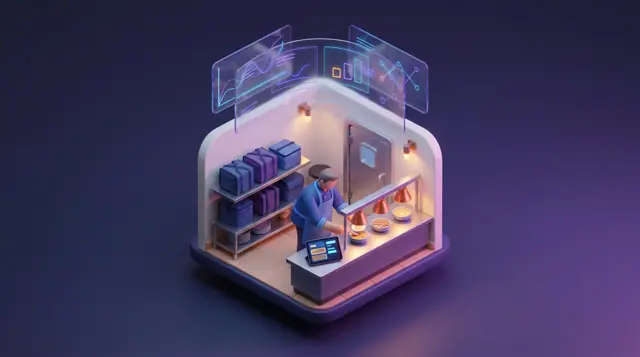
A solution concept for multi-unit restaurants, delivery-only kitchens and commissaries: one kitchen board, demand-shaped rosters, cold-holding watch, lot-to-store recall and daily prime cost.
 Industry & Operations
Challenges solved
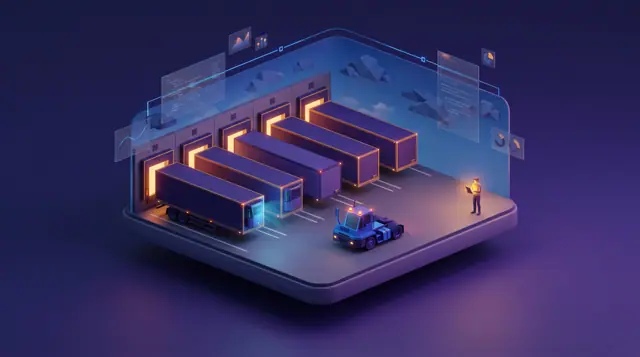
A solution concept for 3PLs, carriers and shippers in which seven Burdenoff products are designed to work together, from carrier status to report card.
 Public & Social
Challenges solved
Burdenoff products designed to work together so sustainability teams build Scope 1-3 inventories, chain-of-custody claims, biodiversity evidence and disclosures from operational records.
Tell us about your setup. We will walk you through the products involved and scope a pilot around the challenge that hurts most.
This is a solution concept: it shows how Burdenoff products are designed to work together in this industry. The images are illustrations of the concepts, not screenshots of the actual products, and every name and figure in them is sample data.

