



Botlit
Dealer Message Order Intake Desk
Reads photo and text orders sent by message, matches each line to the dealer's price list, drafts the order and hands unclear lines to inside sales.
Works with Kadaikodi, MoveTheWheels
Industry solution
From a dealer's photo of a handwritten list to the truck at dawn, one connected operation
Ordering, credit, picking, delivery, returns, dealer programs and rep territories, run by products designed to pass work along.

The problem
Distributors take orders in one place, decide credit in another, pick and deliver from a third, and run dealer programs and territories from spreadsheets. Every seam shows up as a retyped order, a missed truck, a disputed credit or a dealer lost quietly.
Distributors sit between manufacturers and the dealers, contractors and retailers who sell or install their products. The business runs on volume and thin margins: thousands of items, several price lists, credit extended to hundreds of accounts, and a daily cycle in which orders cut off in the afternoon, the warehouse picks overnight and trucks leave at dawn. A slip anywhere in that cycle shows up the next morning at a dealer's counter.
Most of the work still moves between people by phone, WhatsApp, email and spreadsheet. Orders arrive in every format and are retyped. Credit holds wait for whoever is at their desk. Short picks are found on the warehouse floor with nobody awake to decide. Proof of delivery is a paper ticket, returns sit ungraded, and a dealer who is buying less shows up only in a quarterly total.
Growth depends on the channel as much as on the warehouse: dealer programs with tiers and co-op funds, counter staff who need training before they can sell a new line, and outside reps covering more accounts than they can visit. When those programs live in separate tools, a distributor learns that a dealer is slipping only after the dealer has moved its business.
Owner or general manager
Margin and cash: fewer pricing credits, less money stuck in overdue invoices, and key dealers kept rather than lost without a conversation.
Operations and warehouse manager
A night pick that finishes on time, shortages caught while there is still time to substitute, and trucks loaded in stop order.
Credit and collections manager
Holds decided before the order cut-off with the account's history in view, and exposure visible weekly rather than at month-end.
Inside sales and customer service lead
Orders confirmed rather than retyped, the right price list every time, and answers about deliveries and credits without hunting.
Sales manager and outside reps
Knowing which accounts are buying less, by product category, and spending visits where they will keep the business.
Dealer program and channel manager
Each dealer's tier progress, certified counter staff and unused co-op funds, seen early enough to act before renewal.
A day in the life
Brindlecott Trade Supply ships plumbing, electrical and HVAC supplies from its Eastfield distribution center and a Westgate branch, running fourteen delivery routes to about 1,500 dealer and contractor accounts. It runs a Pro Dealer Program for independent hardware and plumbing stores and five outside sales territories. Denise Okoro became chief operating officer this year. This is one week of her job.
Monday, 7:40
Denise walks through inside sales before the phones start. Overnight, sixty-four dealer orders arrived: photos of handwritten lists on WhatsApp, PDFs by email, two voicemails and a rep's notes from Friday. Hannah Lindqvist's team is retyping them into the order screen. Friday's mistake is still on the whiteboard: Corrowby Hardware was billed contractor prices on ten rolls of PEX, and the credit memo to fix it will take longer than the order did.
How this is solved: Dealer orders priced right the first timeMonday, 3:50 pm
Harrowfield Builders needs $18,400 of water heaters and fittings on a job site Tuesday morning. The order has sat on credit hold since 11:15 because the account is $2,300 over its limit, with a check the owner says is in the mail. Gloria Chen, the credit manager, has been in a supplier review all afternoon, and nobody told the rep. At 4:00 pm the cut-off passes and the order misses tonight's pick.
How this is solved: Credit decisions made before the truck leavesTuesday, 4:30 am
At Eastfield, Kwame Asante's night crew is still picking Route 7 when the truck should be half loaded. The bin for 1-inch gate valves is empty although the system shows forty. Four rolls of blue PEX are on the shelf, not six, and nobody on shift can approve a substitute. Loaders fill the truck in pick order instead of stop order, and it leaves forty-five minutes late with four dealers getting less than they ordered and no warning.
How this is solved: A night pick that leaves on timeWednesday, 11:10
Wendlow Plumbing Supply calls: two cartons of push-fit fittings never arrived and a tankless heater came with a crushed corner. The proof of delivery is a scrawled signature on a paper ticket marked received in good order. The returns cage holds fourteen items that came back on Monday's trucks with no paperwork. The dealer wants a credit today, accounts receivable wants proof, and while they argue the dealer short-pays the next invoice.
How this is solved: Proof at the door, credits without a fightThursday, 2:00 pm
Farah Siddiqui, who runs the Pro Dealer Program, pulls renewals into a spreadsheet for the first time this quarter. Quillfield Hardware, a Gold dealer for six years, is $22,000 short of the Gold purchase threshold with eleven weeks left, has one of the three counter staff the tier requires certified on the new heat-pump line, and has not touched $4,800 of co-op funds. A competing distributor's rep has been in the store twice this month.
How this is solved: A dealer program that notices who is slippingFriday, 9:00 am
At the quarterly sales review, Territory 4 is down and Tomás Reyes, its outside rep, is stretched across 182 accounts. His visit log shows the same forty stores every month. Twelve accounts have quietly cut their buying in at least one category, pipe and fittings most of all, among them Harrowfield Builders, which has not ordered a water heater since Monday's missed cut-off. Denise asks the obvious question: why are we learning this in a review and not the week it started?
How this is solved: Territories where quiet accounts get a visitBy Friday afternoon Denise has a list of six hand-offs that failed, each between people and tools that never talked to each other. None is exotic; every distributor has them. The challenges below show how Burdenoff products are designed to close each one.
Challenges and how they are solved
Each challenge shows the problem as it happens, how the products are designed to hand work to each other, and the concepts that illustrate it. Share any challenge on its own.
Answers are in plain business terms. Choose Technical, or open any technical detail, to see how it works under the hood.
Challenge 1 of 6
Dealer orders arrive overnight in every format: photos of handwritten lists sent by message, emailed PDFs, voicemails and a rep's notebook. Each one is retyped into the order screen, and the person typing has to remember which price list the account is on, which items carry a contract price and what to substitute when a line is out. A dealer billed at the wrong price finds out on the invoice, short-pays it, and a credit memo follows weeks later. Counter staff at the dealer never know what they can order without phoning.
Retyping slows every order toward the cut-off, pricing errors turn into credit memos and short-paid invoices, and dealers learn to phone instead of order.
Dealers keep sending orders on WhatsApp, and Botlit is designed to turn each photo or message into a draft order at that dealer's own prices, passing anything unclear to a named person. Dealers can also order, or repeat last week's order, in Kadaikodi, which shows their prices, stock, delivery day and remaining credit first. Inside sales checks drafts instead of retyping them.
Technical detail
Botlit is designed to run an order agent on the distributor's WhatsApp line and web chat that reads a dealer's photo or text order, matches each line to the account's price list and catalog, and drafts the order in Kadaikodi, handing unreadable lines and price disputes to a named inside-sales person under its handoff rules. Kadaikodi's planned B2B account pricing holds each dealer's price list, so the drafted order, the dealer's own online order and a one-tap repeat of last week's order are all priced from the same account terms. Stock at the serving warehouse and the delivery day are designed to come from MoveTheWheels, and credit available from the accounting system, both passed by FluidGrids and shown before the dealer submits. Inside sales confirms drafts instead of retyping them, and every order records where it came from.
Orders are designed to arrive priced from the right list, inside sales confirms rather than retypes, and dealers can order at any hour without phoning.
Botlit
Reads photo and text orders sent by message, matches each line to the dealer's price list, drafts the order and hands unclear lines to inside sales.
Works with Kadaikodi, MoveTheWheels
Kadaikodi
The dealer's ordering screen: its own price list, stock and delivery day from MoveTheWheels, and credit available, shown before the order is sent, with last week's order one tap from a repeat on a phone.
Works with FluidGrids, Botlit, MoveTheWheels
Challenge 2 of 6
A good contractor order goes on credit hold late in the morning because the account is a little over its limit, with a payment the owner says is on its way. The hold is a flag in the order screen that nobody is watching, the credit manager is in meetings, and the rep finds out when the contractor calls from an empty job site after the cut-off has passed. Meanwhile other accounts drift past 60 days without anyone noticing until the month-end aging report, and the credit team spends its mornings chasing rather than deciding.
Good orders miss the cut-off and sometimes the customer, while real exposure grows unseen until month-end and days sales outstanding creep up.
Credit limits and balances come from your accounting system, so dealers see how much credit they have left while they order, and an order that goes over is flagged for review rather than parked. FluidGrids is designed to apply your credit policy, let small overages through and send the rest to the credit manager with the account's history. BigConsole warns the credit team about accounts over their limit.
Technical detail
FluidGrids is designed to bring each account's credit limit, open balance and oldest invoice from the accounting system, such as QuickBooks, so Kadaikodi can show credit available while the dealer builds an order and mark any order that would exceed it for credit review instead of silently holding it. That flag is designed to start a FluidGrids run of the credit-release rule, kept as a versioned decision tree: orders within an agreed tolerance and with no invoice past 60 days are released, and the rest pause for a named credit approver with the balance, oldest invoice and payment promise attached. The decision is posted back to the order and to the rep. FluidGrids also carries receivables and holds into BigConsole datasinks, where threshold alerts are designed to warn the credit team when an account passes its limit or an invoice crosses 60 days, well before month-end.
Credit decisions are designed to be made before the afternoon cut-off, the rep hears the outcome at once, and exposure is visible weekly instead of at month-end.
FluidGrids
Holds the credit-release policy as a versioned tree of conditions, such as over limit or invoice past 60 days, with release, review or hold outcomes tested on sample orders.
Kadaikodi
Shows the dealer its credit limit, open balance and credit available, brought from the accounting system by FluidGrids, and marks an order that would exceed it as waiting on credit review.
Works with FluidGrids, Botlit, MoveTheWheels
BigConsole
Is designed to watch receivables and holds for conditions such as over limit or past 60 days, and route alerts by severity to the credit team without flooding them.
Challenge 3 of 6
Night crews pick order by order, so a truck's lines are scattered across the building and finish at different times. When a bin comes up empty or short against the stock record, nobody on shift can approve a substitute or tell the dealer, so the line simply ships short. Loaders fill trucks in the order the picks arrive rather than reverse stop order, trucks leave late, and drivers unload half a load to reach the first stop.
Late trucks miss delivery windows, short shipments surprise dealers at the counter, and every short or badly loaded stop turns into a phone call and a credit.
MoveTheWheels is designed to group tonight's orders by delivery route, so each truck is picked together and loaded with the last stop first. When a shelf comes up short, the board shows it straight away with a like-for-like substitute. Botlit then asks the dealer on WhatsApp whether to take the substitute or wait for the rest, before the truck leaves.
Technical detail
MoveTheWheels takes the orders released after credit review and is designed to group them into pick waves by delivery route, so each route's lines are picked, staged and loaded together in reverse stop order, using the ordered stops of the route's plan. When a picker finds less than the stock record expects, the short is designed to be raised on the board with a same-price substitute and a cycle count on the bin. FluidGrids can pass the short to Botlit, which is designed to message the dealer on WhatsApp and record whether they accept the substitute or want a backorder, and the answer is designed to return to the pick line before the truck is sealed.
Trucks are designed to leave loaded in stop order and on time, and dealers hear about any short before the delivery arrives, not at the counter.
MoveTheWheels
Shows each route's pick wave, lines picked, short picks and load status against departure time, with substitutes and cycle counts raised on the spot.
Works with Kadaikodi, FluidGrids, Botlit
MoveTheWheels
Sequences each route's stops with distance, time and fuel cost in view and assigns a truck and driver, giving the stop order the truck is loaded against.
Botlit
Tells the dealer about a short pick by message and records whether they accept the substitute or want a backorder, before the truck is loaded.
Works with Kadaikodi, MoveTheWheels
Challenge 4 of 6
Proof of delivery is a signature on a paper ticket marked received in good order, with no photo and no note of what was refused or damaged. Returns come back on the trucks without paperwork and pile up in a cage, so nobody can say which items are refusals, which can be restocked and which are scrap. Shortage and damage claims arrive days later with nothing but a paper signature, and customers deduct the disputed amount from the next payment while the credit team looks for proof.
Unproven shortage and damage claims become write-offs or strained dealers, returns sit ungraded, and short-paid invoices muddy receivables for weeks.
MoveTheWheels is designed to let drivers photograph each delivery and note refused or damaged items on their phone before leaving the dealer. Returns are checked and graded at the dock the day they come back, then passed on for a credit with the photo attached. When a dealer asks about a credit, Botlit answers from the delivery record and hands real disputes to the credit team.
Technical detail
MoveTheWheels is designed to put each stop on the driver's phone and capture photo and signature proof of delivery, with refused or damaged lines noted at the door against the order. Anything that comes back is designed to be logged to the returns queue, graded at the dock for restock, clearance or scrap, and marked ready for credit. FluidGrids can then raise the credit request in the accounting system, such as QuickBooks, with the photo and grade attached. When the dealer asks where the credit is, a Botlit support agent is designed to answer from the live order and delivery record, cite it, and hand disputed claims to the credit team rather than guessing.
Shortage and damage claims are designed to be settled against a photo and a grade, returns clear the dock daily, and credits stop depending on who argues longest.
MoveTheWheels
Gives drivers their stops and is designed to capture photo and signature proof of delivery at each dealer's door, closing the delivery on the record.
MoveTheWheels
Tracks every item coming back from pickup to dock, grades it for restock, outlet or recycle, and marks it ready for a credit; shown here with a store's apparel returns.
Botlit
Is designed to answer where-is-my-order questions from live order and shipment records with citations, and hand refund and damage requests to a person.
Challenge 5 of 6
Dealer program renewals live in a spreadsheet updated once a quarter. Purchases toward each tier sit in the order system, counter-staff training sits in a separate course tool, and co-op fund claims sit in email. By the time the spreadsheet shows a long-standing dealer behind its purchase threshold, with too few staff certified on a new line and co-op money unclaimed, only weeks remain before renewal, and the rep who visits every month knew none of it.
Dealers slip a tier or leave at renewal without a conversation, co-op funds go unused, and the training that would sell a new product line never happens.
Subscriber Bot is designed to keep one record per dealer in the program: its tier, what it has bought so far, how many staff are certified and how much co-op money is left, and to flag dealers likely to slip before renewal. The program manager can then assign a product course in BuildMyIQ and send co-op and training reminders through HeadshotMarketing.
Technical detail
Subscriber Bot is designed to hold each dealer's program enrollment as a recurring relationship with a plan, entitlements such as extra discount and co-op funds, and a renewal date, with the tier's obligations added as tracked conditions. FluidGrids is designed to bring in year-to-date purchases from Kadaikodi orders nightly, and BuildMyIQ certificates are designed to count toward each dealer's certified-staff requirement. The desk ranks dealers renewing in the next 90 days by risk of dropping a tier, with the driver behind each score. From there the program manager can assign the product course in BuildMyIQ, which is designed to track each dealer's counter staff against the certification the tier requires, and add the dealer to a HeadshotMarketing campaign about unclaimed co-op funds and upcoming training. Program risk is designed to show up on the rep's territory board as well.
Program managers are designed to see a slipping dealer months before renewal, with training assigned and co-op reminders already on their way.
Subscriber Bot
Shows each dealer renewing soon against its tier threshold, with certified staff, co-op funds claimed and the driver behind every risk flag.
Works with FluidGrids, BuildMyIQ, HeadshotMarketing
BuildMyIQ
Shows each dealer's counter staff against the certification its tier requires, with expiry dates and refresher courses assigned before anything lapses.
HeadshotMarketing
Runs co-op fund reminders, program news and training invitations to dealers as one campaign across channels, with results tracked per campaign.
Challenge 6 of 6
Outside reps in distribution carry more accounts than they can visit, so visits follow habit and whoever calls. Accounts rarely leave all at once: they stop buying one product category, then another, often after a missed delivery or a competitor's visit. The monthly sales report totals the territory rather than the accounts inside it, so a drop in one category at one account never shows, and the sales manager learns about drifting accounts after the business has moved.
Accounts drift to competitors one product category at a time, reps spend visits on customers who were never at risk, and sales reviews only look backwards.
FluidGrids is designed to work out every night which accounts are buying less in each product line. BigConsole shows each rep's sales and margin by account compared with last year. HeadshotMarketing's territory board lists every account with its last visit and last order, puts the ones buying less on this week's call plan, and the rep can place the order in Kadaikodi during the visit.
Technical detail
FluidGrids is designed to compute each account's ninety-day category trend from Kadaikodi order lines and send it both to BigConsole datasinks and to HeadshotMarketing's territory board. In BigConsole, a territory console shows sales and margin by rep, account and product category against last year, with drill-down to the accounts that moved. HeadshotMarketing's CRM keeps each account with its owner rep and activity timeline, and its territory board is designed to combine last visit, last order and buying trend, flag category drops, and add those accounts to the rep's weekly call plan. Program risk from Subscriber Bot is designed to appear on the same row. On a visit, the rep is designed to place the order in Kadaikodi on a phone, at the account's prices.
Reps are designed to spend visits where buying is dropping, and sales managers see drift the week it starts instead of at the quarterly review.
HeadshotMarketing
Lists each rep's accounts by last visit, last order and ninety-day buying trend, flags category drops and builds the week's call plan.
Works with Kadaikodi, FluidGrids, Subscriber Bot
BigConsole
Gives sales leaders a live console of sales and margin with time and region filters, and drill-down into the accounts behind each movement.
Kadaikodi
Lets the rep on a route-sales visit open the account's ordering screen on a phone, repeat or edit last week's order at the account's prices and send it before leaving.
Works with FluidGrids, Botlit, MoveTheWheels
How it fits together
Each step shows one product doing one job and handing its result to the next, as the products are designed to work together. The order-to-delivery cycle runs overnight, the channel loop runs weekly, and both read the same order record.
To Kadaikodi: A draft order at the dealer's own prices
To FluidGrids: Orders over credit, with the account's balance and oldest invoice
To MoveTheWheels: Tonight's approved orders, grouped by delivery route
To BigConsole: What was delivered, what was short and what came back
To HeadshotMarketing: Accounts buying less, passed to the rep's board by FluidGrids
To BuildMyIQ: Dealer staff signed up for the product course
To Subscriber Bot: Which staff at each dealer are certified
Step 1 of 8: Take the dealer's order
Technical detail
Products in this solution
Dealer ordering, price lists and order records
Kadaikodi is where dealers order. It is designed to show each dealer its own prices before it orders, and to keep every order in one record.
Technical detail
Kadaikodi is the ordering surface: one catalog, server-computed order totals and an order lifecycle with payment status, with B2B account pricing on its roadmap. Credit figures from the accounting system and stock from MoveTheWheels are designed to appear on the same screen.
Message order intake and dealer answers
Botlit puts an assistant on the WhatsApp line dealers already use. It is designed to turn messages into draft orders, answer from real records, and pass anything tricky to the right person.
Technical detail
Botlit deploys agents to channels such as WhatsApp and web chat, records every run, and is designed to ground answers in approved sources and hand off to named people by rule, a fit for dealers who order by message.
Credit rules, hand-offs and data movement
FluidGrids is designed to apply the credit policy, bring balances in from your accounting system, pass news between the products, such as a short pick or an approved return, and keep the reporting boards current every night.
Technical detail
FluidGrids runs versioned decision rules and workflows that can wait for approval, connects to tools such as QuickBooks, and ends workflows in BigConsole datasinks, the documented path for dashboard data.
Warehouse picking, routes, delivery and returns
MoveTheWheels runs the warehouse and the trucks. It is designed to pick tonight's orders by route, flag shortages early, load trucks in stop order, record proof at each door and grade every return.
Technical detail
MoveTheWheels keeps inventory by location with every movement recorded and plans routes with ordered stops, and is designed to add photo and signature proof of delivery and dock grading of returns, on one order-to-delivery record.
Credit exposure, fill rate and territory consoles
BigConsole gives managers live boards for unpaid invoices, order fill and sales by territory, and is designed to warn the credit team the day an account goes over its limit.
Technical detail
BigConsole builds live consoles on keyed datasinks with filters and drill-down, and is designed to add threshold alerts routed by severity, so receivables, fill rate and territory sales are watched rather than reported at month-end.
Rep territories, call plans and dealer campaigns
HeadshotMarketing keeps every account with its rep, and is designed to build each rep's weekly call list and send program news and training invitations to dealers.
Technical detail
HeadshotMarketing combines a CRM with owner assignment, lead scoring and pipeline with multi-channel campaigns and nurture workflows, so account coverage and dealer communications run from one customer record.
Dealer program tiers and renewals
Subscriber Bot is designed to keep one record per program dealer, with its tier, benefits, progress and renewal date, and to warn you which dealers are likely to slip before renewal comes around.
Technical detail
Subscriber Bot models recurring relationships with a plan, entitlements and renewal dates, and its provider-side churn prediction shows the drivers behind each score. A dealer program is designed to fit that model, with tier obligations added as tracked conditions.
Dealer staff product training and certificates
BuildMyIQ runs short product courses for dealer counter staff and gives each person who passes a certificate with an expiry date, so the program knows who is ready to sell a new line.
Technical detail
BuildMyIQ authors and delivers courses with assessments and issues certificates with serials and expiry dates, giving a distributor a way to train dealer counter staff on new lines and show who is certified.

All eight products run on Burdenoff Workspaces: one sign-on for inside sales, credit, warehouse, drivers, reps and program staff, role-based access designed to keep each dealer to its own account, one audit trail across orders, credit decisions and returns, and one bill.
Concept gallery
14 concepts from 8 products. Each one links to its own page on the product's website, and every view has a link you can share.
Botlit
Reads photo and text orders sent by message, matches each line to the dealer's price list, drafts the order and hands unclear lines to inside sales.
Works with Kadaikodi, MoveTheWheels
Kadaikodi
The dealer's ordering screen: its own price list, stock and delivery day from MoveTheWheels, and credit available, shown before the order is sent, with last week's order one tap from a repeat on a phone.
Works with FluidGrids, Botlit, MoveTheWheels
FluidGrids
Holds the credit-release policy as a versioned tree of conditions, such as over limit or invoice past 60 days, with release, review or hold outcomes tested on sample orders.
BigConsole
Is designed to watch receivables and holds for conditions such as over limit or past 60 days, and route alerts by severity to the credit team without flooding them.
MoveTheWheels
Shows each route's pick wave, lines picked, short picks and load status against departure time, with substitutes and cycle counts raised on the spot.
Works with Kadaikodi, FluidGrids, Botlit
MoveTheWheels
Sequences each route's stops with distance, time and fuel cost in view and assigns a truck and driver, giving the stop order the truck is loaded against.
MoveTheWheels
Gives drivers their stops and is designed to capture photo and signature proof of delivery at each dealer's door, closing the delivery on the record.
MoveTheWheels
Tracks every item coming back from pickup to dock, grades it for restock, outlet or recycle, and marks it ready for a credit; shown here with a store's apparel returns.
Botlit
Is designed to answer where-is-my-order questions from live order and shipment records with citations, and hand refund and damage requests to a person.
Subscriber Bot
Shows each dealer renewing soon against its tier threshold, with certified staff, co-op funds claimed and the driver behind every risk flag.
Works with FluidGrids, BuildMyIQ, HeadshotMarketing
BuildMyIQ
Shows each dealer's counter staff against the certification its tier requires, with expiry dates and refresher courses assigned before anything lapses.
HeadshotMarketing
Runs co-op fund reminders, program news and training invitations to dealers as one campaign across channels, with results tracked per campaign.
HeadshotMarketing
Lists each rep's accounts by last visit, last order and ninety-day buying trend, flags category drops and builds the week's call plan.
Works with Kadaikodi, FluidGrids, Subscriber Bot
BigConsole
Gives sales leaders a live console of sales and margin with time and region filters, and drill-down into the accounts behind each movement.
Pitch kit
Distributors run ordering, credit, the warehouse, deliveries, dealer programs and sales territories in separate tools, and the gaps show up as retyped orders, orders stuck on credit hold, late trucks, disputed shortages and dealers who drift away unnoticed. Burdenoff brings eight products together as one designed solution, each passing its work to the next.
Questions
Several. Eight products each handle one part of the job and are designed to pass work to each other. They share one sign-in, permissions, a record of who did what and one bill, so you can start where it hurts most and add the rest later.
Technical detail
Several. Kadaikodi, Botlit, FluidGrids, MoveTheWheels, BigConsole, HeadshotMarketing, Subscriber Bot and BuildMyIQ each handle one part of the job and are designed to pass work to each other. They share Burdenoff Workspaces for sign-on, access control, audit and billing, so a distributor can start with the seam that hurts most and add the rest later.
No. Dealers can keep sending orders on WhatsApp, and Botlit is designed to turn them into drafts for your team to confirm. Dealers who want to order online can use Kadaikodi, reps can order for them during a visit, and every order ends up in one place at the same prices.
Technical detail
No. The design keeps WhatsApp as an ordering channel: a Botlit agent drafts the order from the dealer's message or photo for inside sales to confirm. Dealers who prefer to order online can use Kadaikodi, and reps are designed to place orders in Kadaikodi on a phone during a visit. All three are designed to land in the same order record at the same account prices.
No. Your accounting system stays where the books are kept. FluidGrids is designed to bring credit limits and balances in from it and send credits back, and which connections apply depends on the tools you already use.
Technical detail
No. The solution is designed to sit around the system that keeps your books. FluidGrids connects to accounting tools such as QuickBooks and to databases and spreadsheets, so credit limits, open balances and invoice status can be brought in and credit requests sent back to that system of record. Which connections apply depends on the tools you already run, and each product is configured to your process rather than rebuilt.
Yes. You set the policy yourself, such as how far over the limit an order may go and who approves exceptions. Changes can be tried on sample orders first. Every decision is recorded, with the rule or the person who made it.
Technical detail
Yes. FluidGrids holds the credit-release policy as a versioned rule you configure: the tolerance over limit, how many days past due blocks a release, and who approves exceptions. Each version can be tested against sample orders before it goes live. Every decision is recorded: automatic releases with the rule version that made them, and exceptions with the approver's name.
No. Each dealer is designed to see only its own prices, orders, balance and program status. Your staff see the accounts their job requires.
Technical detail
No. Access is role-based through Burdenoff Workspaces, so each dealer is designed to see only its own price list, orders, balance and program status, while inside sales, credit and reps see the accounts their roles allow.
Not all of it. This page shows how the products are designed to work together. Some pieces exist today, and others, such as dealer-specific pricing and photo proof of delivery, are still being built. We will show you which is which.
Technical detail
This page describes a solution concept. The products are in early access or pre-launch, and several capabilities shown here, such as B2B account pricing in Kadaikodi, electronic proof of delivery in MoveTheWheels, threshold alerts in BigConsole and the order-intake agent in Botlit, are on product roadmaps. We are glad to walk through what exists now and what is planned.
Related domains
 Industry & Operations
Challenges solved
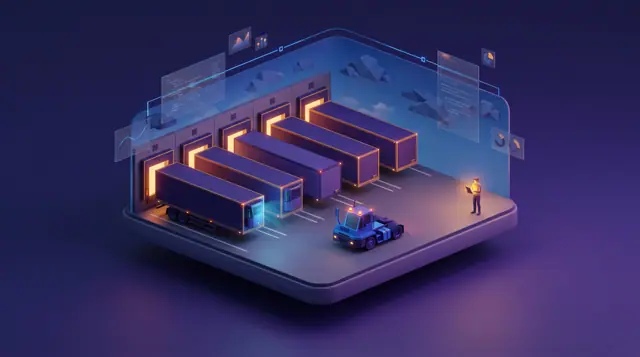
A solution concept for 3PLs, carriers and shippers in which seven Burdenoff products are designed to work together, from carrier status to report card.
 Industry & Operations
Challenges solved
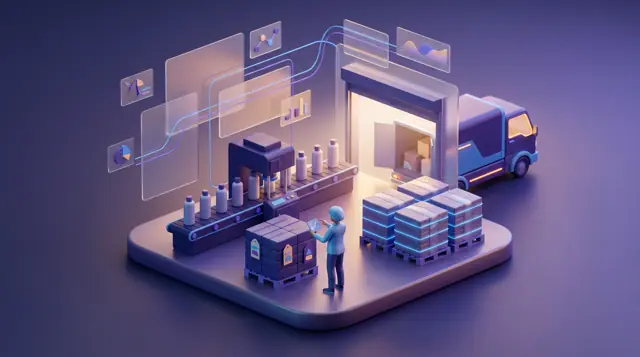
How Burdenoff products are designed to work together for FMCG brands, from batch release and ingredient tracing to sell-through, trade deductions, pack artwork and packaging data.
 Finance & Business
Challenges solved
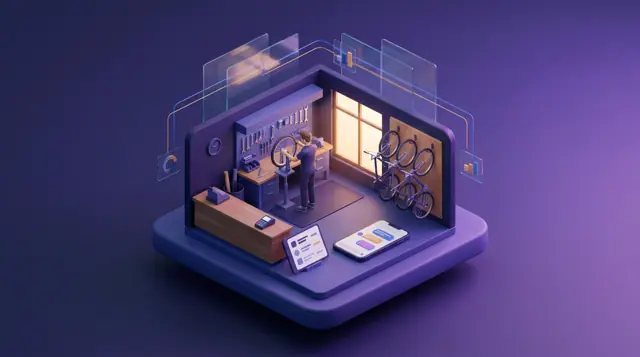
How Kadaikodi, Botlit, HeadshotMarketing, CrewFoundry, Subscriber Bot, PlanMagnet, FluidGrids and BigConsole combine for owner-led small businesses and early-stage startups.
Tell us about your setup. We will walk you through the products involved and scope a pilot around the challenge that hurts most.
This is a solution concept: it shows how Burdenoff products are designed to work together in this industry. The images are illustrations of the concepts, not screenshots of the actual products, and every name and figure in them is sample data.


